

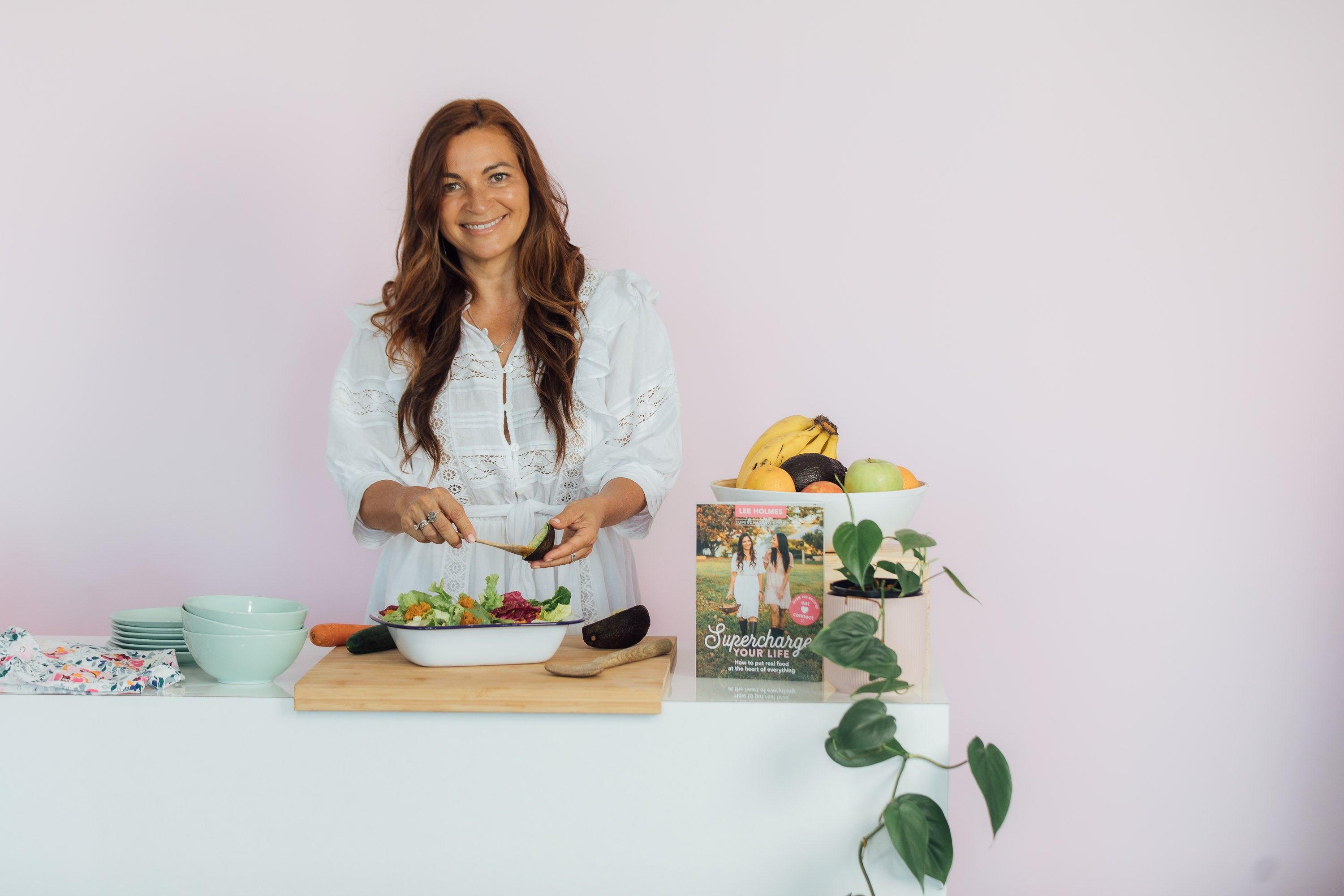
By Lee Holmes, Clinical Nutritionist, author of 12 books and founder of Supercharged Food (since 2010) and Love Your Gut

GLP-1 medications such as Ozempic are everywhere in the news. What gets less attention is that your body makes GLP-1 itself, and what you eat plays a part in that. This guide is for anyone who wants to eat in a way that works with that system, meal by meal.
Want it on the fridge? Download my free Nature's Ozempic cheat sheet, with all six food groups on one printable page.
This is a food guide, not a medication guide. If you take a GLP-1 medicine or manage your blood sugar with your doctor, keep doing so, and talk to them before changing your diet.
What GLP-1 does
GLP-1 is a hormone your gut releases after you eat. It helps your body release insulin in step with the meal, slows how quickly your stomach empties, and tells your brain you've had enough.
1. Protein at every meal

Protein is one of the strongest food signals for GLP-1 release. Aim for 25–30 g of protein at each meal.
- Eggs
- Oily fish: salmon, sardines, mackerel
- Chicken, turkey and grass-fed beef
- Unsweetened Greek yoghurt
- Lentils, chickpeas and black beans
- Quinoa

Short on time?
Love Your Gut Vegan Protein + Fibre
Organic, sprouted and fermented pea protein with fibre, in chocolate or vanilla. A scoop in a smoothie covers protein and fibre at once.
2. Fibre, especially soluble fibre
Your gut bacteria ferment fibre into short-chain fatty acids, which are linked to GLP-1 release. Soluble fibre also slows how fast sugar reaches your blood.
- Oats
- Chia seeds and flaxseeds
- Psyllium husk
- Beans and lentils
- Artichokes
- Pears and apples, skin on
- Brussels sprouts
Tip: stir ground flaxseed or chia into breakfast. They swell in liquid and keep you full for longer.

Love Your Gut
Five fibres in one spoonful
Like the chia and flaxseed tip? All The Fibres brings chia, Australian linseed (flaxseed), gum acacia, banana flour and lemon myrtle together, so you get soluble, insoluble, prebiotic, fermentable and resistant starch fibre in every spoonful. Stir it into your oats, yoghurt or smoothie. Created by Lee Holmes for Love Your Gut.
3. Chromium-rich foods
Chromium helps insulin move glucose into your cells. A varied whole-food diet usually covers the 25–35 micrograms adults need each day.
- Broccoli
- Oats and barley
- Brazil nuts and almonds
- Green beans
- Apples
- Egg yolks
4. Bitter foods
Your gut has bitter-taste receptors, and bitter compounds are being studied for their part in GLP-1 release.
- Rocket
- Dandelion greens
- Endive and radicchio
- Kale
- Dark chocolate, 70% cacao or more
- Green tea
- Grapefruit (check with your pharmacist first if you take medication, as it affects how some medicines work)
Start small if you're not used to bitter flavours; your taste adjusts within a few weeks. For extra greens, try Love Your Gut Greens.
5. Healthy fats
Fats slow stomach emptying and help you feel full for longer. Aim for a thumb-sized serve at each meal: a tablespoon of olive oil, a quarter of an avocado or a small handful of nuts.
- Extra virgin olive oil
- Avocado
- Walnuts, almonds, macadamias and pistachios
- Hemp, pumpkin and sunflower seeds
- Oily fish
- Olives
6. Fermented foods and probiotics

Gut microbes produce compounds that prompt GLP-1 release, so a well-fed microbiome is part of the picture.
- Kefir
- Natural yoghurt with live cultures
- Unpasteurised sauerkraut
- Kimchi
- Miso and tempeh
- Kombucha
Love Your Gut Synbiotic combines probiotics with the prebiotic fibre they feed on.
A GLP-1-friendly day
| Meal | What to eat |
|---|---|
| Breakfast | Greek yoghurt with ground flaxseed, berries and chopped almonds |
| Morning snack | Golden Gut Latte (recipe below) |
| Lunch | Rocket salad with grilled chicken, avocado and olive oil dressing |
| Afternoon | A square of dark chocolate with green tea |
| Dinner | Grilled salmon with roasted broccoli and quinoa |
Warming Golden Gut Latte

A caffeine-free afternoon pick-me-up made with Golden Gut Blend: diatomaceous earth with turmeric, ginger, cinnamon and black pepper.
- 1 serve of Golden Gut Blend (see the pack for serving size)
- 1 cup coconut milk, or your choice of milk
Warm the milk in a saucepan, whisk in the blend and pour.
Rosemary and Thyme Chicken Stew
A comforting one-pan dinner for busy evenings, with protein from the chicken and plenty of veggies. Serves 4 · 267 calories per serve (1118kJ).
Ingredients
- 145g (5oz/2 large) carrots, halved lengthways and sliced
- 4 small red onions (optional), peeled and quartered
- 2 leeks, white part only, sliced
- 2 lemons, quartered
- 2 garlic cloves
- 370g (13oz/about 2) skinless chicken thighs, halved
- 625ml (21½ fl oz/2½ cups) chicken stock
- 400g (14oz) tinned diced tomatoes
- 2 bay leaves
- a few thyme sprigs
- a few rosemary sprigs
- a drizzle of apple cider vinegar
- 1 teaspoon sugar-free wholegrain mustard
- Celtic sea salt and freshly ground black pepper, to taste
Method
- Preheat the oven to 180°C (350°F).
- Put the carrots, onions (if using), leeks, lemons and garlic in a large roasting tin. Rest the chicken on top, pour in the stock and tomatoes, and top with the herbs.
- Drizzle in the apple cider vinegar, then bake for 35 to 40 minutes, until the vegetables and chicken are cooked through.
- Lift out the chicken and vegetables and keep warm. Discard the bay leaves (and the lemon quarters, if you like) and pour the juices into a saucepan.
- Bring the juices to the boil, stir in the mustard and boil for 5 minutes, until slightly thickened. Season with salt and pepper.
- Pour the sauce over the chicken and vegetables, then serve.
Broccoli Soup with Nutritional Yeast Flakes

Broccoli is one of the chromium-rich foods above, and this soup uses the whole head, stems and all. Serves 4.
Ingredients
- 2 broccoli heads and stems, roughly chopped
- 2 tablespoons coconut oil
- 2 cups homemade vegetable stock
- 2 garlic cloves
- 1 onion, chopped
- 2 celery sticks, chopped
- Sea salt, to taste
- 1 handful fresh mint
- 1 handful fresh parsley
- ¼ cup coconut milk (optional)
- A handful of slivered almonds and a sprinkle of nutritional yeast flakes, to garnish
Method
- Heat the coconut oil in a large heavy-based saucepan, add the garlic and onion and cook until translucent.
- Add the celery and cook until softened.
- Add the broccoli, including the stems, and pour in the stock.
- Bring to the boil, then reduce the heat and add the salt and herbs.
- Simmer for 15 minutes, then stir in the coconut milk, if using.
- Blend until smooth, returning it to the pan to reheat if needed.
- Serve garnished with slivered almonds and nutritional yeast flakes.
Find more of Lee's recipes at Supercharged Food.
Frequently asked questions
What is "nature's Ozempic"?
It's a nickname for everyday foods that support the GLP-1 your body makes on its own: protein, fibre, bitter foods, healthy fats and fermented foods. They don't act like a medicine; they work with your body's natural signals at each meal.
What foods support GLP-1 naturally?
Protein-rich foods such as eggs, fish, chicken, Greek yoghurt and lentils; soluble fibre from oats, chia, flaxseed and legumes; bitter greens such as rocket and dandelion; healthy fats such as olive oil, avocado and nuts; and fermented foods such as kefir and sauerkraut.
Can food replace Ozempic or other GLP-1 medicines?
No. Medicines like Ozempic act far more strongly and for much longer than the GLP-1 your body makes. Food supports your own GLP-1; it isn't a substitute for prescribed treatment.
Can I eat this way while taking a GLP-1 medicine?
These are everyday whole foods, but talk to your doctor or dietitian, who can tailor them to your medication.
How soon will I notice a difference?
Everyone is different. Build the habits one meal at a time, and notice how your energy and appetite settle over a few weeks.
Do I need supplements?
No. Food comes first; the products mentioned are a convenience, not a requirement.
Free guides to keep going
- Nature's Ozempic: Lee's Free GLP-1 Foods Cheat Sheet
- Microbiome Magazine Vol. 3: The Weighty Issue, with more on GLP-1, fibre and your gut bacteria
Ozempic® is a registered trade mark of Novo Nordisk. Supercharge Your Gut is not affiliated with Novo Nordisk.

Written by
Lee Holmes, Clinical Nutritionist
Lee is a clinical nutritionist, the author of 12 books including Eat to Heal, and the founder of Supercharged Food (since 2010) and the Love Your Gut range.


Leave a comment