

Your Microbiome: The Immune Ally You Were Born With

Your microbiome isn't just about digestion. It's your body's first line of defence. Your 38 trillion bacteria make decisions every day that shape whether you get sick or stay strong.
In this article, we explore the three-part immune system your microbiome runs for you: colonisation resistance (keeping invaders out), gut barrier strength (preventing leaky gut), and immune education (teaching your immune cells the difference between friend and foe). Understanding this system is the first step to building a resilient immune defence.
Colonisation Resistance: Your Gut's Natural Bouncer
Your good bacteria occupy prime real estate in your gut. This crowded marketplace makes it almost impossible for harmful invaders to settle in and multiply. When you have diverse, abundant good bacteria, they literally leave no room for pathogens to thrive.
This is colonisation resistance, and it's one of your microbiome's most powerful immune tools.
When antibiotics wipe out your good bacteria, or when a low-fibre diet starves them, colonisation resistance collapses. Suddenly, there's empty space. Harmful bacteria or fungi move in. Within days, you're vulnerable to infection, diarrhoea, or dysbiosis (microbial imbalance).
The stronger your colonisation resistance, the faster you recover from food poisoning, travel upset, or a bad meal. It's why some people bounce back in hours and others take weeks.
Gut Barrier Strength: The Wall Between You and Everything Else
Your gut lining is a barrier. On one side: the food, bacteria, and viruses you've eaten. On the other side: your bloodstream and immune system.
That barrier is only one cell thick. If it weakens (leaky gut), undigested food particles and bacterial toxins slip through into your blood. Your immune system sees these particles as invaders and over-reacts. Inflammation spikes. You feel bloated, tired, or get mysterious rashes or joint aches.
Your microbiome repairs this barrier by producing short-chain fatty acids, especially butyrate. Butyrate is fuel for the gut-lining cells. Without it, the wall crumbles. With it, the wall strengthens and seals.
This is why fibre matters so much. Good bacteria ferment fibre to produce these short-chain fatty acids. No fibre, no fermentation, no butyrate, no barrier repair.
Immune Education: Teaching Your Immune Cells What to Fight
About 70% of your immune cells live in and around your gut. They're stationed there for a reason: this is where your microbiome trains them.
Your microbiome's bacteria communicate with these immune cells every day. They teach them which invaders to attack and which friendly bacteria to tolerate. They teach your immune system to stay calm around harmless food particles and allergens.
When this training goes wrong, you get autoimmune disease or food sensitivities. Your immune cells attack your own tissues or over-react to pollen or peanuts.
A diverse microbiome with strong colonisation resistance and a healthy barrier delivers better immune education. Your immune cells learn from a wider range of microbial signals. They become wiser, more tolerant, and more effective.
Building Your Microbiome's Immune Arsenal
1. Eat 30 Different Plant Foods a Week
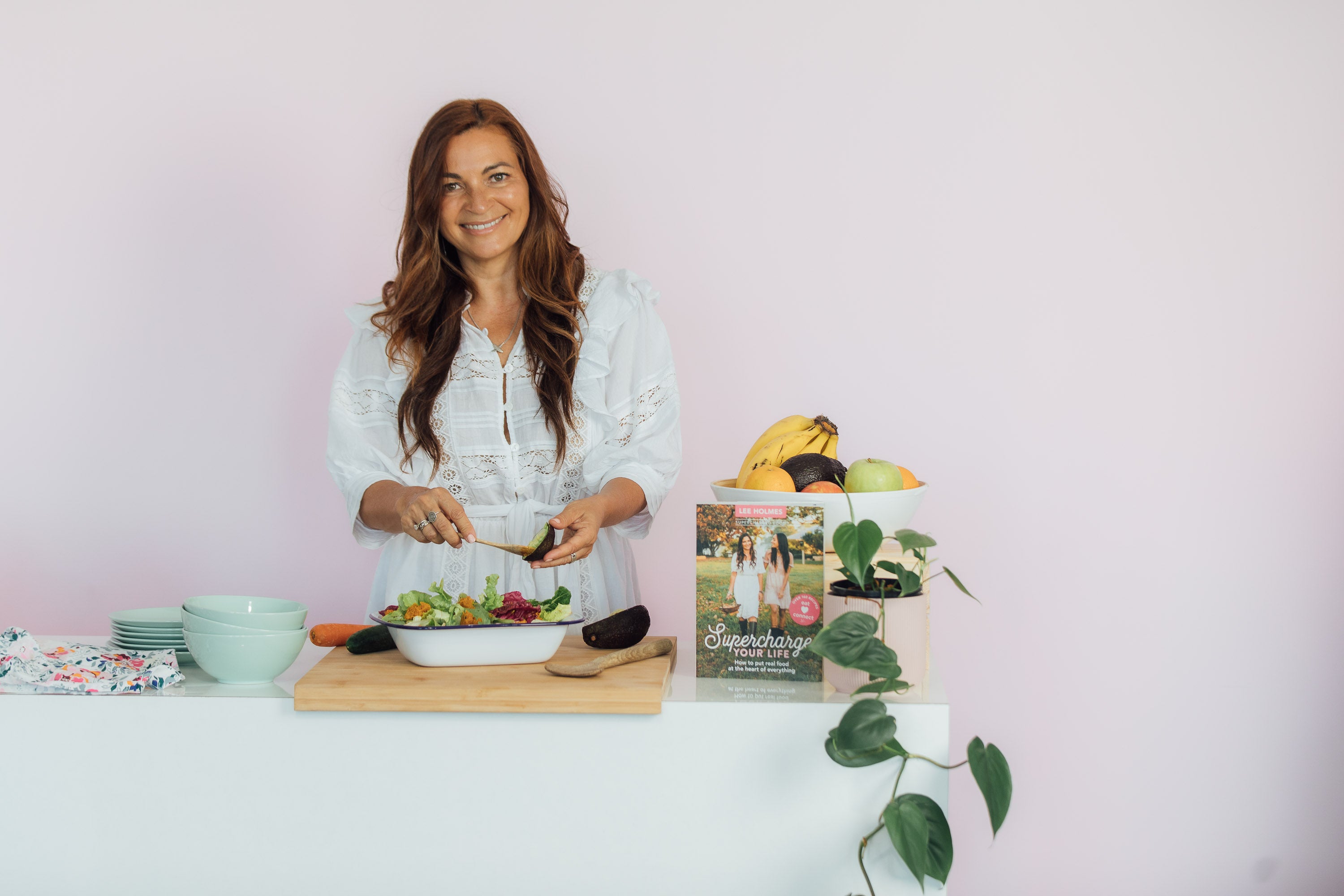
The goal of 30 different plant foods a week supports a thriving microbiome. It's a playful target, not a strict rule, and it's more within reach than it sounds. Lee Holmes, Clinical Nutritionist
Plant diversity feeds microbial diversity. Different plants have different polyphenols and fibres, which feed different bacteria. When you rotate through plant foods—berries, leafy greens, legumes, whole grains, nuts, seeds—you feed a wider range of good bacteria. A stronger, more diverse microbiome builds stronger colonisation resistance.
💚 Love Your Gut Green Powder is designed to help you hit this target with ease. Packed with greens, it's a quick way to add plant diversity to your week.
2. Prioritise Fermented Foods
Fermented foods deliver live bacteria directly into your gut. Sauerkraut, tempeh, miso, kombucha, and live yoghurt all carry probiotic cultures that colonise your gut and strengthen colonisation resistance.
Look for "live" or "unpasteurised" labels. Heat kills the bacteria.
3. Eat Polyphenol-Rich Foods
Polyphenols are plant compounds found in berries, red wine, dark chocolate, and tea. Your microbiome ferments these compounds and produces short-chain fatty acids as a result. Polyphenols are like fuel for immune education and barrier repair.
4. Get Resistant Starch
Resistant starch is the carbohydrate your microbiome actually prefers. It's found in cooled potatoes, rice, legumes, and green bananas. Your small intestine can't digest it, so it feeds your colon bacteria. They ferment it into butyrate, the short-chain fatty acid that repairs your gut barrier.
5. Manage Stress and Sleep
Stress and poor sleep disrupt your microbiome composition and reduce the production of protective compounds. Your nervous system and your microbiome are in constant conversation. Care for your nervous system to care for your immune defence.
Key Takeaways
- Colonisation resistance: Your good bacteria occupy the gut, leaving no room for invaders to settle. A crowded, diverse microbiome is your first defence.
- Gut barrier strength: Your gut lining is one cell thick. Short-chain fatty acids (butyrate) repair and strengthen it. Fibre feeds the bacteria that produce butyrate.
- Immune education: 70% of your immune cells live in your gut. Your microbiome trains them to attack real threats and tolerate harmless particles.
- Plant diversity matters: 30 different plant foods a week feeds different bacteria and builds a stronger, more resilient microbiome.
- Fermented foods, polyphenols, and resistant starch: All feed the bacteria that produce short-chain fatty acids and strengthen immune education.
- Stress and sleep shape your microbiome: Your nervous system and gut bacteria are in constant conversation. Rest and calm support both.
Your Microbiome Questions Answered
Rebuilding takes time. If you've taken antibiotics, your microbiome can start to recover within 2-4 weeks with the right support (fibre, fermented foods, diverse plants). However, true diversity and resilience take 3-6 months. Some research suggests it can take up to a year to fully restore your microbiome to pre-antibiotic diversity. The key is consistency: keep feeding your good bacteria with plant foods, fermented foods, and resistant starch every day.
Not always. A healthy diet rich in fibre, plant foods, and fermented foods builds your microbiome naturally. However, after antibiotics or during dysbiosis, a quality probiotic can jumpstart recovery by delivering beneficial bacteria species directly into your gut. Look for live bacteria strains (Lactobacillus, Bifidobacterium) and fermented foods first. Probiotics work best when combined with prebiotic foods (fibre) that feed them.
Absolutely. Chronic stress triggers your nervous system to release cortisol and adrenaline, which shift your microbiome composition towards inflammatory bacteria. Stress also reduces the production of short-chain fatty acids, weakening your gut barrier. Poor sleep amplifies this effect. Your gut-brain axis is bidirectional: a stressed mind disrupts your microbiome, and an imbalanced microbiome can increase anxiety and stress. Meditation, sleep, and movement all calm your nervous system and support your microbiome.
No, but antibiotics do disrupt it significantly. Antibiotics kill both harmful and beneficial bacteria indiscriminately. The damage is not permanent if you rebuild actively. Within weeks, your microbiome can start to recover. Within months, it can return to reasonable diversity. The catch: without the right foods and habits after antibiotics, your microbiome may repopulate with less beneficial species, leading to dysbiosis. Antibiotics are necessary and lifesaving when you have a bacterial infection—just prioritise recovery afterwards with fibre, fermented foods, and plants.
Prebiotics are the food your good bacteria eat. They're non-digestible fibres found in onions, garlic, asparagus, bananas, oats, and legumes. Your small intestine can't break them down, so they travel to your colon where your microbiome ferments them, producing short-chain fatty acids. Probiotics are live beneficial bacteria found in fermented foods (sauerkraut, tempeh, miso, kombucha) or supplements. Prebiotics feed your bacteria; probiotics are the bacteria themselves. You need both.
Your home is a microbial ecosystem. Over-sanitised homes with chemical cleaners, synthetic fragrances, and poor air quality limit your exposure to beneficial environmental bacteria. Your immune system needs this exposure to train itself. Conversely, mould, mycotoxins, and air pollution promote inflammatory bacteria in your gut. The sweet spot: good ventilation, natural light, non-toxic cleaning (vinegar, baking soda), indoor plants, and occasional exposure to soil and nature. Your microbiome adapts to your environment—both what you breathe and what you touch.
Ultra-processed foods high in sugar and low in fibre starve your good bacteria. Refined carbohydrates feed inflammatory species. Artificial sweeteners (aspartame, sucralose) alter microbiome composition. Damaged seed oils and trans fats promote inflammation. Excessive alcohol disrupts colonisation resistance. And antibiotics in conventional meat and dairy residues further deplete your microbiome. None of these destroy your microbiome outright, but collectively they shift it towards dysbiosis. Focus on whole, minimally processed foods and you'll naturally support your good bacteria.
Dive Deeper: Get the Full Microbiome Magazine
This article is part of Microbiome Magazine Issue 5: The Viral Issue. Explore the full 48-page guide to microbiome immunity, gut health, and building a resilient immune system.
Get the Free Magazine
Scientific Foundation
This article is rooted in research from the emerging field of gut microbiome science. Key concepts—colonisation resistance, the gut barrier, and immune education—are supported by peer-reviewed studies in gastroenterology, immunology, and microbiology. All claims are drawn from Lee Holmes' clinical practice and peer-reviewed research, not speculative nutrition.


Leave a comment