

Originally featured in: Yahoo Lifestyle Australia (September 7, 2026). This article is based on expert commentary from Lee Holmes, Clinical Nutritionist.
You're standing in the supermarket, scanning the front of a packet of brown rice. It promises 11.1 grams of protein per serving. That sounds impressive. You put it in the basket.
Then you flip it over.
Hidden in the nutrition panel is the truth: 4.8 grams of that protein is collagen. Your body can't use it the same way. You're buying a marketing claim, not the nutritional benefit you thought you were paying for.
The Protein Packaging Problem
Protein is having a moment. Shoppers want it. Supermarkets stock it everywhere. But the industry has discovered a loophole: put the word "protein" on the front in big letters, then hide the *type* of protein on the back.
The issue isn't protein itself. The issue is incomplete protein masquerading as the real thing.
Take the Sun Rice example. The regular brown rice: 4.5 grams of protein per serving. The "high-protein" version: 11.1 grams per serving. Impressive on the packet. But when you check the label, collagen makes up nearly half the protein claim. The actual complete protein? Only 6.2 grams.
Other culprits are everywhere: Woolworths' Nexus Super Protein Sparkling Water ($5.50) claims 16 grams of protein—all collagen. Coles' MuscleNation bars claim 50 grams but don't specify the collagen-to-whey ratio on the front.
✓ Trusted by 462 verified customers
4.82★ average rating on Supercharge Your Gut products
What Collagen Actually Does (And What It Doesn't)
Collagen is a protein. That part is true. But it's an incomplete protein—it lacks one or more of the nine essential amino acids your body needs.
What collagen *is* good for:
- Skin elasticity and hydration
- Tendon, ligament, and bone strength
- Connective tissue integrity
What collagen is not good for:
- Building muscle. You need complete protein (with all nine essential amino acids) for that.
- Meeting your daily protein requirements. If you're tracking protein intake for fitness or health goals, collagen doesn't count the same way.
Here's the trap: you drink a sparkling water claiming 16 grams of protein, thinking you've hit a protein goal. You've actually consumed collagen—which supports your skin and joints but does nothing for your muscle protein synthesis or amino acid profile.
The message from nutrition experts is clear: don't dismiss collagen, just don't let it masquerade as your main protein source.
How to Spot the Trick: The Nutrition Panel Walkthrough
The front of the packet is marketing. The nutrition panel is the truth. Here's what to look for:
- Check the "Protein" line. This is the total protein claim (e.g., 11.1g).
- Look for the ingredient list or nutrition note. Does it specify collagen, whey, pea protein, or another source? If it's vague, that's intentional.
- Cross-reference with amino acids (if listed). Complete proteins will show all nine essential amino acids. Collagen will be missing at least one.
- Do the maths. If a product claims 11g protein but collagen makes up 4–5g, your actual complete protein is ~6–7g. Plan accordingly.
Golden rule: Ignore the front of the packet first. Turn the product around and look at the nutrition information panel. This is the legal, accurate version.
Complete Protein vs Incomplete Protein: Why It Matters
Complete proteins contain all nine essential amino acids:
- Animal sources: eggs, dairy, beef, chicken, fish
- Plant sources: quinoa, soy (tofu, tempeh), sprouted plant proteins
Incomplete proteins lack one or more essential amino acids:
- Collagen
- Most single legumes (chickpeas, lentils—though combinations work)
- Nuts and seeds (alone)
If your goal is to build muscle, support recovery, or meet a daily protein target, prioritise complete proteins. Incomplete proteins can be part of your diet—especially collagen for joint and skin health—but they shouldn't be your main source.
The Complete Protein Solution
Love Your Gut Vegan Protein + Fibre Powder | Chocolate
★★★★★ 11 verified reviews
Complete plant protein + digestive fibre. No collagen claims. No hidden ingredients. Just 20g of complete, sprouted plant protein per serve with all nine essential amino acids—plus fibre for digestive support. Organic, vegan, nutritionist-grade.
If You Want Connective Tissue Support, There's a Better Way
Collagen is legitimate for skin, joints, and connective tissue. But you don't need to buy a misleading protein product to get it.
Natural Silica is the direct approach: it's a mineral that supports collagen synthesis and connective tissue integrity—with zero packaging tricks. Your body uses it to build collagen naturally, rather than relying on external collagen protein (which your digestive system breaks down anyway).
This is why many nutrition professionals recommend silica over collagen peptides: it's bioavailable, well-researched for bone and skin health, and the label tells you exactly what you're getting.
Honest Connective Tissue Support
Natural Silica: The Beauty Mineral
★★★★★ 9 verified reviews
Hair, skin, and bone support—transparently. Bioavailable silica that supports your body's natural collagen production. No marketing claims. Just the mineral your connective tissue needs. Vegan blend for hair growth and vegan collagen support.
Your Label-Reading Cheat Sheet
Bookmark this section for your next supermarket trip.
✓ If you're looking for protein to build muscle or meet daily targets:
- Choose complete proteins (whey, eggs, soy, sprouted plant protein)
- Check the nutrition panel, not the front
- If collagen is listed, subtract it from the total protein claim
- Aim for at least 20g of complete protein per serve
✓ If you're looking for skin, hair, or joint support:
- Choose silica or bioavailable minerals over collagen products
- Skip the "protein" claim entirely
- Your body will synthesise collagen from silica + complete protein elsewhere in your diet
✓ Always:
- Flip the packet. Read the nutrition panel.
- Check the ingredient list for the protein source.
- Do your own maths if you're tracking.
- Don't trust the front-of-packet claim alone.
The supermarket protein boom is real. But it's also a marketing opportunity for brands to cut corners. The good news? It takes 30 seconds to flip a packet and read the truth.
Your muscles, joints, and skin will thank you for it.

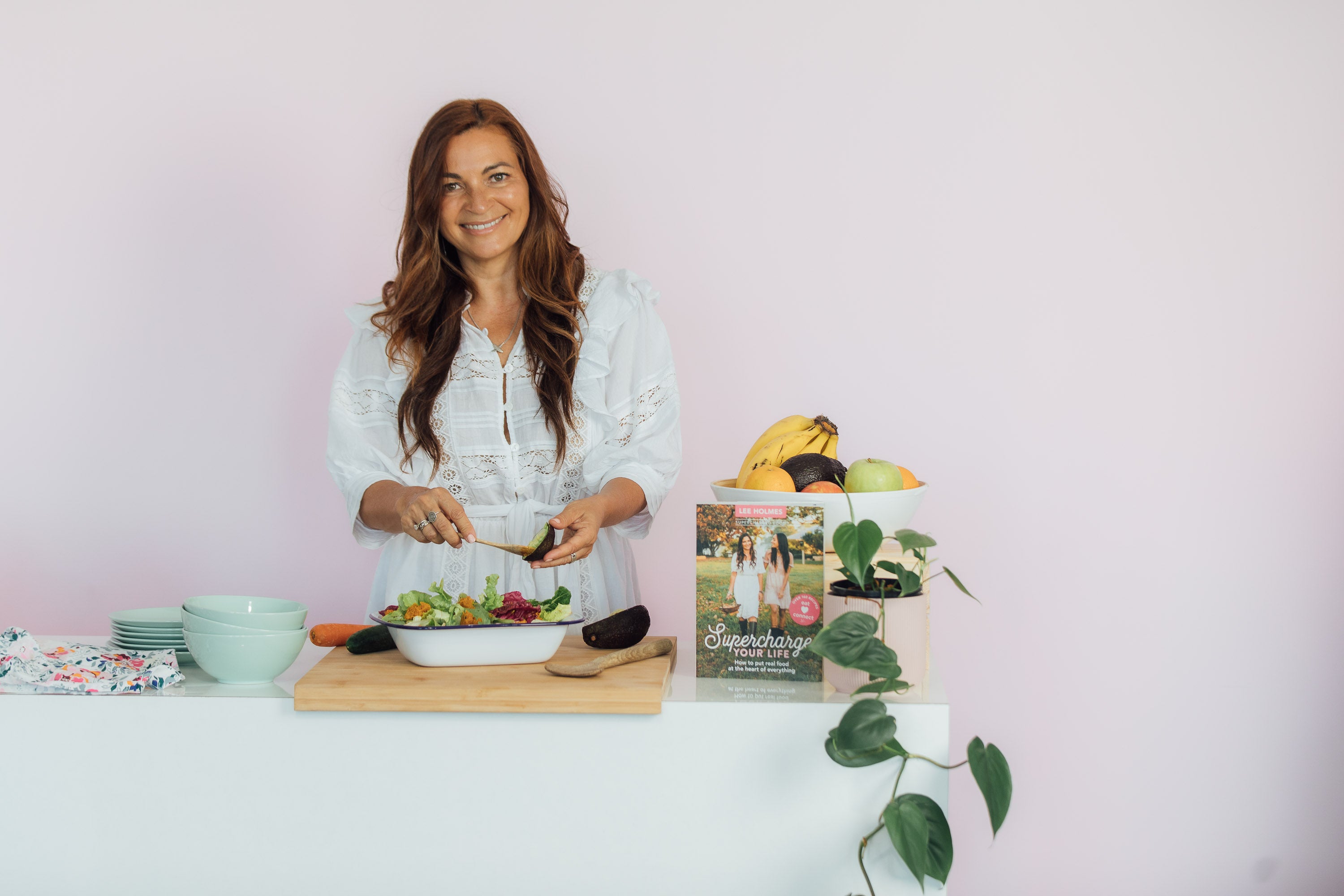
Lee Holmes
Clinical Nutritionist, Author & Founder
Lee is an accredited clinical nutritionist, author of Eat to Heal, and founder of Supercharge Your Gut and Supercharged Food. She specialises in gut health, whole foods nutrition, and cutting through the marketing noise around food labels and health claims. Her evidence-based approach has helped thousands of Australians rebuild their digestive health and make informed nutrition choices.


Leave a comment