Microbiome Magazine Vol. 5: Full Text
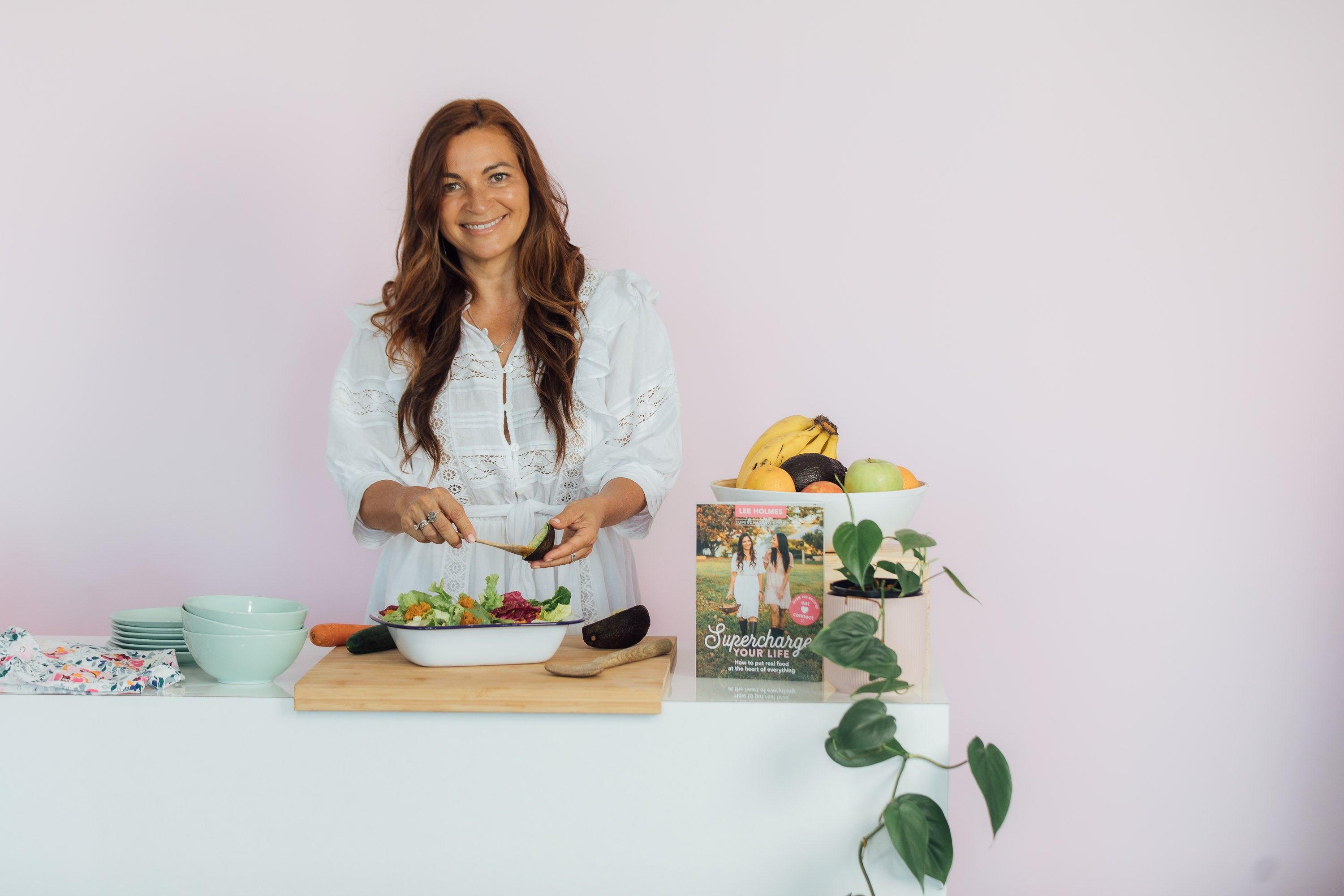
By Lee Holmes, Clinical Nutritionist, author of 12 books and founder of Supercharged Food (since 2010) and Love Your Gut
Microbiome Magazine Vol. 5, The Viral Issue, is Lee Holmes' free guide to the gut–immune connection. Inside: how your gut microbiome works with your immune system, colonisation resistance, the gut virome and the gut–lung axis, why 30 plant foods a week matters, the nutrients involved in normal immune function, a room-by-room low-tox home guide, a Q&A with Clean Nectarine founder Irene Falcone, and five nourishing recipes.
Get the full magazine free: the complete 48-page illustrated issue, including the puzzle pages, is a free PDF. Download Microbiome Magazine Vol. 5 and your link arrives by email straight away.
In this issue
- A letter from Lee
- Meet your microbiome community
- Colonisation resistance: standing room only
- The gut–immune connection
- Your gut barrier: a wall one cell thick
- 30 plant foods a week
- Your gut has a viral community too: the gut virome
- The gut–lung axis
- 10 everyday habits for a resilient microbiome
- Eat your armour: building your plate
- The low-tox home reset, room by room
- 8 questions with Irene Falcone
- Recipes
- Gut and immune health: your questions answered
A letter from Lee
Hello, and welcome to The Viral Issue.
If our last issue was about rebooting your gut, this one is about looking after it. Long before a virus ever meets your immune system, it meets your microbiome. The trillions of microbes living on your skin, in your nose, along your gut lining and even across your kitchen bench are your body's first responders, a living security detail that most of us never think to look after.
In this issue we explore how your microbiome crowds out unwelcome microbes, why around 70 per cent of your immune cells live in and around your gut, and why a home scrubbed within an inch of its life may not be doing you any favours. (Yes, you officially have permission to relax about that one dusty corner.) I'm also excited to share my conversation with my podcast partner Irene Falcone from Clean Nectarine.
As always, none of this is about fear or living in a bubble. It's about working with your inner ecosystem instead of against it. So pour yourself something warm, find your comfiest chair and meet the invisible bodyguards that have been quietly looking after you all along.
Lee x
Meet your microbiome community
We tend to picture the immune system as a lone hero. The truth is more interesting, and far more crowded. You're looked after by an entire community, and most of it is microscopic.
The most careful estimate puts it at around 38 trillion bacterial cells living in and on you, alongside roughly 30 trillion of your own cells (1). For years the textbooks said microbes outnumbered us ten to one; that figure has since been revised to something much closer to one to one. Together, your gut microbes carry around 3.3 million genes, roughly 150 times the number in your own genome, which is why scientists call the microbiome our "second genome" (2). Most of us host at least 160 different bacterial species.
Colonisation resistance: standing room only
The first trick your good microbes pull is beautifully simple: they take up space. When every patch of your gut lining is already home to helpful residents, a would-be invader arrives to find no room at the inn and nothing left to eat. Scientists call this colonisation resistance (4).
Your microbes also make antimicrobial compounds, including small proteins called bacteriocins. And as they ferment the fibre you feed them, they release short-chain fatty acids that keep the gut mildly acidic: lovely for your good bugs, unwelcoming for troublemakers.
The gut–immune connection
Perhaps the cleverest thing your microbiome does is teach. From the day you're born, your microbes are in constant conversation with your immune cells, helping them learn the difference between a genuine threat and a harmless passer-by (3).
Your gut is immune headquarters: around 70 per cent of your body's immune cells are stationed in and around your intestine. A well-trained immune system is calm and precise. It responds firmly to real threats, then stands down. Much of that balance comes from compounds your bacteria make when they ferment fibre, butyrate chief among them (6, 9).
Diversity is your superpower
A microbiome rich in many different species is like a security team with a wide range of skills: resilient, adaptable and hard to catch off guard. You shape it every day through what you eat, time outdoors, sleep and stress, and the one on the end of your fork is the most powerful.
Your gut barrier: a wall one cell thick
The lining of your gut is a border wall just one cell thick, standing between the outside world and your bloodstream. Your microbes are its maintenance crew. Butyrate is the preferred fuel for the cells lining your colon, and well-fed microbes encourage a healthy protective mucus layer and support the "tight junctions" that hold the cells snugly together (7).
30 plant foods a week
The goal of 30 different plant foods a week comes from the American Gut Project, one of the largest citizen-science studies of its kind. It found that people eating more than 30 types of plant a week had more diverse gut bacteria than people who ate 10 or fewer (10). Thirty is a playful target, and almost everything botanical counts: vegetables, fruit, wholegrains, legumes, nuts, seeds, herbs and spices. A sprinkle of parsley, a pinch of cinnamon and a scattering of pumpkin seeds are three plants right there.
Colour is a clue
Deep, jewel-toned foods such as blueberries, blackberries, beetroot, red cabbage and purple carrots owe their colours to polyphenols, plant compounds that act like fertiliser for your friendliest microbes. Extra virgin olive oil, green tea, fresh herbs, turmeric and a little good dark chocolate are polyphenol-rich too.
The fibres that feed your good bugs
Onions, garlic, leeks, asparagus and slightly green bananas are rich in inulin, a fibre good bacteria love. Oats and barley bring beta-glucan. Cook potatoes, rice or pasta and then cool them, and some of the starch becomes resistant starch, which feeds microbes in your colon. Legumes are prebiotic stars too, one reason a lentil dhal or chickpea curry earns its place on a gut-friendly table.
A little something living
Fermented foods such as yoghurt, kefir, sauerkraut, kimchi, miso and tempeh arrive with live microbes on board, and a Stanford study found that eating more of them increased gut microbiome diversity (11).
Your gut has a viral community too: the gut virome
When we talk about the microbiome, we usually mean bacteria. But living alongside them is another, much less visible community: the gut virome, the collection of viruses and viral genetic material in your digestive tract. A large proportion are bacteriophages, viruses that infect bacteria rather than people (15, 16).
That may sound alarming, but most of these viruses are a normal part of the ecosystem. Bacteriophages act like selective gardeners: they can stop particular groups of bacteria from becoming too dominant and can move genetic material between bacteria. This is an emerging field, and researchers are still working out which viral patterns are helpful and which are disruptive.
When a virus reaches the gut lining, specialised cells can detect it and release interferons, messenger proteins that warn nearby cells and help coordinate the immune response. The gut lining does two jobs at once: responding to genuine threats while staying calm about the enormous number of harmless things passing through every day.
The gut–lung axis
Your gut and lungs are physically separate, but they're connected through what researchers call the gut–lung axis (20). Signals travel between them through the bloodstream, immune cells, the nervous system and compounds made by gut microbes.
When bacteria ferment fibre, the short-chain fatty acids they make can enter the bloodstream and influence immune cells and tissues beyond the gut, including the lungs (21, 22). This doesn't mean a particular food can prevent infection. It means the immune response in your lungs is influenced by signals from the rest of your body, including your gut.
The conversation runs both ways. A respiratory illness can change the gut microbiome too (24), which may help explain why some people get tummy symptoms during or after a cold or flu.
Supporting the whole ecosystem
- Eat a broad range of plant foods for different fibres.
- Include legumes, vegetables, fruit, nuts, seeds and wholegrains as tolerated.
- Eat enough protein and micronutrient-rich foods.
- Avoid unnecessary antibiotics, and support your gut afterwards when you do need them.
- Protect your sleep, particularly when you're unwell.
- Keep moving and manage stress.
- Follow evidence-based measures: vaccination, hand hygiene and appropriate medical care.
10 everyday habits for a resilient microbiome
-
Start with something fermented. A spoonful of kraut or a glass of kefir.
-
Chase 30 plants a week. Herbs, spices, nuts and seeds all count.
-
Prioritise sleep. Your body does much of its repair work while you rest.
-
Get outside daily. Fresh air, sunlight and nature are good for your microbes and your mood.
-
Wash hands, not everything. Good hand hygiene matters most; you don't need to sterilise the house.
-
Move your body. A daily walk is plenty.
-
Tame the sugar. Sweeten with fruit where you can.
-
Hydrate. Water and herbal teas both count.
-
Soften the stress. A few minutes of breathing, nature or laughter helps.
-
Think twice about antibiotics. They're life-saving when needed, but they don't work on viral colds and flu. Always follow your doctor's advice.
Eat your armour: building your plate
When coughs and colds start circling, it's tempting to buy every supplement on the shelf. I always come back to the foundations: nutrient-dense food, plenty of plants, enough protein, good sleep and a gut that's looked after consistently. No food can kill a virus or guarantee you won't get sick, but food provides the nutrients your immune system needs to work normally.
Nutrients involved in normal immune function
-
Vitamin C: capsicum, citrus, kiwifruit, berries, broccoli and leafy greens (28).
-
Zinc: oysters and other seafood, meat, pumpkin seeds, legumes and wholegrains (29).
-
Vitamin D: oily fish, eggs, some mushrooms and sensible sun exposure (30).
-
Vitamin A: eggs and dairy, plus beta-carotene-rich carrots, pumpkin, sweet potato and dark leafy greens.
-
Selenium: seafood, eggs, meat, legumes and Brazil nuts (31).
If you think you might be low in a nutrient, talk to your GP rather than guessing with high-dose supplements. More isn't always better.
Your plate at a glance
- Build meals around good-quality protein.
- Add a rainbow of vegetables, fruit and herbs.
- Eat fibre-rich plant foods every day.
- Use garlic, onion, spices, herbs, green tea and extra virgin olive oil often.
- Keep ultra-processed food, added sugar and alcohol to a minimum, without stressing about perfection.
The low-tox home reset, room by room
A low-tox home isn't a sterile one. It's about cleaning where it counts, ventilating well, controlling moisture and choosing simpler products as the old ones run out. "Natural" doesn't automatically mean safe, and "chemical" doesn't automatically mean harmful; water and vinegar are chemicals too. Never mix bleach with ammonia, vinegar or other cleaners, as dangerous fumes can form.
Kitchen
- Use warm water and detergent for everyday cleaning; save disinfectant for after preparing raw meat, poultry, seafood or eggs.
- Don't rely on vinegar as a disinfectant for high-risk contamination.
- Keep separate chopping boards for raw meat and ready-to-eat food.
- Wash dishcloths, tea towels and sponges often and let them dry fully.
- Use the rangehood or open a window when cooking.
- Store cleaning products away from food, in their original containers.
Bathroom
- Run the exhaust fan during and after showers, and fix leaks promptly; dampness encourages mould.
- Wash and fully dry shower curtains, bath mats and towels.
- Use simple detergent for routine cleaning; for larger or recurring mould, get professional advice.
- Choose fragrance-free products if anyone is sensitive to strong scents.
Living areas
- Open windows when the weather allows, dust with a damp cloth and vacuum regularly with a good filter.
- Try a shoes-off policy to keep outdoor dust and residue outside.
- Go easy on plug-in fragrances, aerosols, candles and incense, and ventilate afterwards.
- Enjoy houseplants for their beauty, but rely on ventilation for fresh air.
Bedroom
- Wash and dry bedding regularly, using a fragrance-free detergent if you have sensitive skin.
- Air the bed during the day and vacuum under furniture.
- Keep the room cool, dark and well aired.
- Check for condensation around windows and wardrobes.
Clean where it counts, ventilate where you can, simplify gradually, and let the rest of your home breathe.
8 questions with Irene Falcone
Irene Falcone is the founder of Clean Nectarine, my co-host on The Lee and Irene Show and one of Australia's best-known voices in low-tox living.
What set you on the path to low-tox living?
"I was working in corporate and just wasn't feeling great. I started looking into the products I was putting on my body and was alarmed by ingredients I couldn't even pronounce. Finding natural swaps was so much fun that I started blogging about it, and that's how my first business was born. Clean Nectarine set out to bring a real ingredient policy to clean beauty."
What's really living on our floors?
"The best thing you can do for a low-tox home is take your shoes off. We walk on grass sprayed with pesticides and footpaths covered in roadside residue, then bring it all inside where kids crawl. So it's not really the germs on the floor I worry about; it's what gets tracked into the home."
Can a home be too clean?
"I'll answer this as a mum, not a microbiome specialist: I've never bought into the idea that a home should be completely disinfected. Good old hot soapy water does the trick, and it's cheaper."
Which ingredients should people watch for?
"Fragrance is the big one. We don't really know what a fragrance is made of, and phthalates in particular are worth avoiding. Chlorine bleach, ammonia and ethanolamines aren't great either."
Do natural cleaners work?
"For everyday cleaning, yes. My go-to is castile soap; one bottle does about eighteen different jobs around the house."
How do you clean during cold and flu season?
"Hot soapy water for wiping high-touch surfaces, and I carry a hand sanitiser everywhere."
What about the air at home?
"If you burn candles, choose pure beeswax rather than heavily scented ones. And I love having indoor plants all over my home."
Where should an overwhelmed beginner start?
"Three things: take your shoes off at the door, get one large bottle of castile soap and use it to clean everything you can, and swap your home fragrances, hand soaps and air fresheners for natural versions."
Recipes
Nourishing Breakfast Bowl
Serves 2. The king of breakfast bowls: greens, brown rice, sweet potato and eggs with a tahini dressing.
- 1 sweet potato, thinly sliced lengthways
- 2 tablespoons coconut oil, melted, plus extra
- 2 heaped tablespoons blanched almonds
- 2 garlic cloves and 2 spring onions, chopped
- 250 g (2 cups) sliced green beans
- 450 g (1 bunch) kale, stems removed, chopped, and a handful of baby spinach
- 2 eggs
- 370 g (2 cups) hot cooked brown rice
- ½ cucumber, spiralised, and 1 avocado, sliced
- 2 nori sheets, torn, and toasted sesame seeds
-
Dressing: 65 g (¼ cup) tahini, 60 ml (¼ cup) water, 60 ml (¼ cup) lemon juice, zest of 1 lemon, 1½ teaspoons tamari, ½ teaspoon ground turmeric and ¼ teaspoon ground ginger
Shake the dressing ingredients in a jar. Roast the sweet potato with half the coconut oil at 220°C for 10 to 15 minutes. Toast the almonds. Sauté the garlic and spring onion in the remaining oil, add the beans and kale for 3 to 4 minutes, then wilt in the spinach. Fry the eggs. Arrange the rice, cucumber, greens and avocado in bowls, top with almonds, sweet potato, nori and an egg, and drizzle with dressing.
Fish Tortillas
Serves 4. Flaky white fish, avocado and a mango salsa in homemade tapioca tortillas.
- 4 firm white fish fillets, sea salt, pepper and the juice of 1 lemon
- 1 avocado
- 1 tablespoon olive oil
- 100 g rocket or baby lettuce and 2 ripe tomatoes, chopped
-
Salsa: 1 red onion and 1 mango (diced), coriander and mint, 2 tablespoons lime juice, 1 tablespoon extra virgin olive oil, 1 long red chilli (optional)
-
Tortillas: 175 g tapioca flour, 330 ml coconut milk, 1 egg, a pinch of salt and 80 g butter for cooking
Season the fish with salt, pepper and half the lemon juice. Mash the avocado with the remaining lemon juice. Mix the salsa. Whisk the tortilla batter and cook 125 ml at a time in a little butter for 2 to 3 minutes each side. Pan-fry the fish for 3 minutes each side and flake. Fill each tortilla with avocado, rocket, tomato, fish and salsa.
Chicken Biryani with Cauliflower Rice
Serves 2 to 3. Warmly spiced chicken simmered in coconut milk.
- 700 g skinless chicken thighs, halved
- 1 tablespoon coconut oil and 1 brown onion, sliced
- 250 ml (1 cup) coconut milk, 1 cinnamon stick and 2 cardamom pods
-
Marinade: 1 teaspoon each ground cumin, ground coriander, curry powder and ground turmeric; 2.5 cm piece ginger (grated); 4 garlic cloves; 1 green chilli; 1 tablespoon lemon juice
-
Cauliflower rice: 1 head cauliflower (riced), 55 g coconut oil, 2 teaspoons ground cumin, ¼ teaspoon ground turmeric, coriander and mint
- Minted raita, to serve (cucumber, plain yoghurt and mint)
Marinate the chicken for at least an hour. Fry the onion in the coconut oil, brown the chicken, then add the coconut milk, cinnamon and cardamom and simmer for 15 minutes. Cook the cauliflower with the oil and spices for 8 to 10 minutes and stir through the herbs. Serve the chicken over the cauliflower rice with raita.
Turmeric Seeded Loaf
A high-protein, high-fibre loaf you simply mix and bake.
- 200 g almond meal, 60 g walnuts, 50 g flaked almonds, 75 g pepitas and 40 g sunflower seeds
- ¼ teaspoon salt, 1 teaspoon ground turmeric and ½ teaspoon gluten-free baking powder
- 15 g coconut flakes
- 3 eggs and 2 egg whites
- 90 g butter or coconut oil, melted
- 2 tablespoons rice malt syrup and ½ banana, mashed
Preheat the oven to 170°C and line a 9 × 30 cm loaf tin. Mix the dry ingredients, whisk the wet ingredients, then combine. Bake for 45 to 50 minutes until a skewer comes out clean. Cool in the tin before slicing.
Golden Chia Pudding
Serves 2. Creamy, gently spiced and full of fibre.
- 4 tablespoons chia seeds
- ⅔ cup coconut milk
- 1 tablespoon yacon or maple syrup
- ½ teaspoon each ground cinnamon and ground turmeric
- ½ teaspoon vanilla extract
- ¼ cup fresh berries and 2 tablespoons crushed walnuts, to serve
Mix everything except the berries and walnuts in a jar and refrigerate overnight, stirring once after 30 minutes. Serve topped with berries and walnuts.
Gut and immune health: your questions answered
How much of the immune system is in the gut?
Around 70 per cent of your body's immune cells are found in and around your gut, which is why gut health and immune health are so closely linked.
What is colonisation resistance?
It's the way your established gut bacteria occupy space and use up nutrients, making it harder for unwelcome microbes to settle in.
What is the gut–lung axis?
It's the two-way connection between your gut and lungs. Compounds made by gut bacteria, especially short-chain fatty acids, travel in the bloodstream and influence immune cells in the airways.
What is the gut virome?
It's the community of viruses living in your gut, mostly bacteriophages that infect bacteria rather than people. They help shape which bacteria thrive.
Why eat 30 plants a week?
The American Gut Project found that people eating more than 30 different plant foods a week had more diverse gut bacteria than people eating 10 or fewer.
About Lee Holmes
Lee Holmes, Clinical Nutritionist, author of 12 books and founder of Supercharged Food (since 2010) and Love Your Gut. Lee's latest book is Eat to Heal, and she co-hosts The Lee and Irene Show podcast with Clean Nectarine founder Irene Falcone. Read more about Lee.
Download your free copy: get the full illustrated Microbiome Magazine Vol. 5 as a free PDF. Catch up on Vol. 4, or browse the Microbiome Magazine library.
Scientific references
- Sender R, Fuchs S, Milo R (2016). Revised estimates for the number of human and bacteria cells in the body. PLoS Biology 14(8): e1002533. doi:10.1371/journal.pbio.1002533
- Qin J et al. (2010). A human gut microbial gene catalogue established by metagenomic sequencing. Nature 464: 59–65. doi:10.1038/nature08821
- Kamada N et al. (2013). Role of the gut microbiota in immunity and inflammatory disease. Nature Reviews Immunology 13: 321–335. doi:10.1038/nri3430
- Buffie CG, Pamer EG (2013). Microbiota-mediated colonization resistance against intestinal pathogens. Nature Reviews Immunology 13: 790–801. doi:10.1038/nri3535
- Tanoue T et al. (2019). A defined commensal consortium elicits CD8 T cells. Nature 565: 600–605. doi:10.1038/s41586-019-0878-z
- Koh A et al. (2016). From dietary fiber to host physiology: short-chain fatty acids as key bacterial metabolites. Cell 165: 1332–1345. doi:10.1016/j.cell.2016.05.041
- Parada Venegas D et al. (2019). Short chain fatty acids-mediated gut epithelial and immune regulation. Frontiers in Immunology 10: 277. doi:10.3389/fimmu.2019.00277
- Makki K et al. (2018). The impact of dietary fiber on gut microbiota in host health and disease. Cell Host & Microbe 23: 705–715. doi:10.1016/j.chom.2018.05.012
- Arpaia N et al. (2013). Metabolites produced by commensal bacteria promote peripheral regulatory T-cell generation. Nature 504: 451–455. doi:10.1038/nature12726
- McDonald D et al. (2018). American Gut: an open platform for citizen science microbiome research. mSystems 3(3): e00031-18. doi:10.1128/mSystems.00031-18
- Wastyk HC et al. (2021). Gut-microbiota-targeted diets modulate human immune status. Cell 184: 4137–4153. doi:10.1016/j.cell.2021.06.019
- Marco ML et al. (2017). Health benefits of fermented foods: microbiota and beyond. Current Opinion in Biotechnology 44: 94–102. doi:10.1016/j.copbio.2016.11.010
- Gibson GR et al. (2017). ISAPP consensus statement on the definition and scope of prebiotics. Nature Reviews Gastroenterology & Hepatology 14: 491–502. doi:10.1038/nrgastro.2017.75
- Swanson KS et al. (2020). ISAPP consensus statement on the definition and scope of synbiotics. Nature Reviews Gastroenterology & Hepatology 17: 687–701. doi:10.1038/s41575-020-0344-2
- Shkoporov AN, Hill C (2019). Bacteriophages of the human gut: the "known unknown" of the microbiome. Cell Host & Microbe 25: 195–209. doi:10.1016/j.chom.2019.01.017
- Mirzaei MK, Maurice CF (2017). Ménage à trois in the human gut: interactions between host, bacteria and phages. Nature Reviews Microbiology 15: 397–408. doi:10.1038/nrmicro.2017.26
- Norman JM, Handley SA, Virgin HW (2014). Kingdom-agnostic metagenomics and the importance of complete characterization of enteric microbial communities. Gastroenterology 146: 1459–1469.
- Zuo T et al. (2020). Alterations in gut microbiota of patients with COVID-19 during time of hospitalization. Gastroenterology 159: 944–955. doi:10.1053/j.gastro.2020.05.048
- Gareau MG, Barrett KE (2023). Role of the microbiota-gut-brain axis in postacute COVID syndrome. American Journal of Physiology: Gastrointestinal and Liver Physiology 324: G322–G328.
- Budden KF et al. (2017). Emerging pathogenic links between microbiota and the gut–lung axis. Nature Reviews Microbiology 15: 55–63. doi:10.1038/nrmicro.2016.142
- Trompette A et al. (2014). Gut microbiota metabolism of dietary fiber influences allergic airway disease and hematopoiesis. Nature Medicine 20: 159–166. doi:10.1038/nm.3444
- Antunes KH et al. (2019). Microbiota-derived acetate protects against respiratory syncytial virus infection through a GPR43-type 1 interferon response. Nature Communications 10: 3273. doi:10.1038/s41467-019-11152-6
- Ichinohe T et al. (2011). Microbiota regulates immune defense against respiratory tract influenza A virus infection. PNAS 108: 5354–5359. doi:10.1073/pnas.1019378108
- Groves HT et al. (2020). Respiratory viral infection alters the gut microbiota by inducing inappetence. mBio 11: e03236-19.
- Calder PC (2020). Nutrition, immunity and COVID-19. BMJ Nutrition, Prevention & Health 3: 74–92. doi:10.1136/bmjnph-2020-000085
- Gombart AF, Pierre A, Maggini S (2020). A review of micronutrients and the immune system. Nutrients 12: 236. doi:10.3390/nu12010236
- Carr AC, Maggini S (2017). Vitamin C and immune function. Nutrients 9: 1211. doi:10.3390/nu9111211
- Maares M, Haase H (2020). A guide to human zinc absorption: general overview and recent advances of in vitro intestinal models. Metallomics 12: 1410–1436 (cited in the magazine as "Zinc and human health").
- Pilz S et al. (2019). Vitamin D testing and treatment: a narrative review of current evidence. Endocrine Connections 8: R27–R43. doi:10.1530/EC-18-0432
- Avery JC, Hoffmann PR (2018). Selenium, selenoproteins, and immunity. Nutrients 10: 1203. doi:10.3390/nu10091203
This magazine shares general information about food and lifestyle. It isn't medical advice; talk to your healthcare practitioner about your own health, and see your doctor if you're unwell.
By Lee Holmes, Clinical Nutritionist, author of 12 books and founder of Supercharged Food (since 2010) and Love Your Gut
Microbiome Magazine Vol. 5, The Viral Issue, is Lee Holmes' free guide to the gut–immune connection. Inside: how your gut microbiome works with your immune system, colonisation resistance, the gut virome and the gut–lung axis, why 30 plant foods a week matters, the nutrients involved in normal immune function, a room-by-room low-tox home guide, a Q&A with Clean Nectarine founder Irene Falcone, and five nourishing recipes.
Get the full magazine free: the complete 48-page illustrated issue, including the puzzle pages, is a free PDF. Download Microbiome Magazine Vol. 5 and your link arrives by email straight away.
In this issue
- A letter from Lee
- Meet your microbiome community
- Colonisation resistance: standing room only
- The gut–immune connection
- Your gut barrier: a wall one cell thick
- 30 plant foods a week
- Your gut has a viral community too: the gut virome
- The gut–lung axis
- 10 everyday habits for a resilient microbiome
- Eat your armour: building your plate
- The low-tox home reset, room by room
- 8 questions with Irene Falcone
- Recipes
- Gut and immune health: your questions answered
A letter from Lee
Hello, and welcome to The Viral Issue.
If our last issue was about rebooting your gut, this one is about looking after it. Long before a virus ever meets your immune system, it meets your microbiome. The trillions of microbes living on your skin, in your nose, along your gut lining and even across your kitchen bench are your body's first responders, a living security detail that most of us never think to look after.
In this issue we explore how your microbiome crowds out unwelcome microbes, why around 70 per cent of your immune cells live in and around your gut, and why a home scrubbed within an inch of its life may not be doing you any favours. (Yes, you officially have permission to relax about that one dusty corner.) I'm also excited to share my conversation with my podcast partner Irene Falcone from Clean Nectarine.
As always, none of this is about fear or living in a bubble. It's about working with your inner ecosystem instead of against it. So pour yourself something warm, find your comfiest chair and meet the invisible bodyguards that have been quietly looking after you all along.
Lee x
Meet your microbiome community
We tend to picture the immune system as a lone hero. The truth is more interesting, and far more crowded. You're looked after by an entire community, and most of it is microscopic.
The most careful estimate puts it at around 38 trillion bacterial cells living in and on you, alongside roughly 30 trillion of your own cells (1). For years the textbooks said microbes outnumbered us ten to one; that figure has since been revised to something much closer to one to one. Together, your gut microbes carry around 3.3 million genes, roughly 150 times the number in your own genome, which is why scientists call the microbiome our "second genome" (2). Most of us host at least 160 different bacterial species.
Colonisation resistance: standing room only
The first trick your good microbes pull is beautifully simple: they take up space. When every patch of your gut lining is already home to helpful residents, a would-be invader arrives to find no room at the inn and nothing left to eat. Scientists call this colonisation resistance (4).
Your microbes also make antimicrobial compounds, including small proteins called bacteriocins. And as they ferment the fibre you feed them, they release short-chain fatty acids that keep the gut mildly acidic: lovely for your good bugs, unwelcoming for troublemakers.
The gut–immune connection
Perhaps the cleverest thing your microbiome does is teach. From the day you're born, your microbes are in constant conversation with your immune cells, helping them learn the difference between a genuine threat and a harmless passer-by (3).
Your gut is immune headquarters: around 70 per cent of your body's immune cells are stationed in and around your intestine. A well-trained immune system is calm and precise. It responds firmly to real threats, then stands down. Much of that balance comes from compounds your bacteria make when they ferment fibre, butyrate chief among them (6, 9).
Diversity is your superpower
A microbiome rich in many different species is like a security team with a wide range of skills: resilient, adaptable and hard to catch off guard. You shape it every day through what you eat, time outdoors, sleep and stress, and the one on the end of your fork is the most powerful.
Your gut barrier: a wall one cell thick
The lining of your gut is a border wall just one cell thick, standing between the outside world and your bloodstream. Your microbes are its maintenance crew. Butyrate is the preferred fuel for the cells lining your colon, and well-fed microbes encourage a healthy protective mucus layer and support the "tight junctions" that hold the cells snugly together (7).
30 plant foods a week
The goal of 30 different plant foods a week comes from the American Gut Project, one of the largest citizen-science studies of its kind. It found that people eating more than 30 types of plant a week had more diverse gut bacteria than people who ate 10 or fewer (10). Thirty is a playful target, and almost everything botanical counts: vegetables, fruit, wholegrains, legumes, nuts, seeds, herbs and spices. A sprinkle of parsley, a pinch of cinnamon and a scattering of pumpkin seeds are three plants right there.
Colour is a clue
Deep, jewel-toned foods such as blueberries, blackberries, beetroot, red cabbage and purple carrots owe their colours to polyphenols, plant compounds that act like fertiliser for your friendliest microbes. Extra virgin olive oil, green tea, fresh herbs, turmeric and a little good dark chocolate are polyphenol-rich too.
The fibres that feed your good bugs
Onions, garlic, leeks, asparagus and slightly green bananas are rich in inulin, a fibre good bacteria love. Oats and barley bring beta-glucan. Cook potatoes, rice or pasta and then cool them, and some of the starch becomes resistant starch, which feeds microbes in your colon. Legumes are prebiotic stars too, one reason a lentil dhal or chickpea curry earns its place on a gut-friendly table.
A little something living
Fermented foods such as yoghurt, kefir, sauerkraut, kimchi, miso and tempeh arrive with live microbes on board, and a Stanford study found that eating more of them increased gut microbiome diversity (11).
Your gut has a viral community too: the gut virome
When we talk about the microbiome, we usually mean bacteria. But living alongside them is another, much less visible community: the gut virome, the collection of viruses and viral genetic material in your digestive tract. A large proportion are bacteriophages, viruses that infect bacteria rather than people (15, 16).
That may sound alarming, but most of these viruses are a normal part of the ecosystem. Bacteriophages act like selective gardeners: they can stop particular groups of bacteria from becoming too dominant and can move genetic material between bacteria. This is an emerging field, and researchers are still working out which viral patterns are helpful and which are disruptive.
When a virus reaches the gut lining, specialised cells can detect it and release interferons, messenger proteins that warn nearby cells and help coordinate the immune response. The gut lining does two jobs at once: responding to genuine threats while staying calm about the enormous number of harmless things passing through every day.
The gut–lung axis
Your gut and lungs are physically separate, but they're connected through what researchers call the gut–lung axis (20). Signals travel between them through the bloodstream, immune cells, the nervous system and compounds made by gut microbes.
When bacteria ferment fibre, the short-chain fatty acids they make can enter the bloodstream and influence immune cells and tissues beyond the gut, including the lungs (21, 22). This doesn't mean a particular food can prevent infection. It means the immune response in your lungs is influenced by signals from the rest of your body, including your gut.
The conversation runs both ways. A respiratory illness can change the gut microbiome too (24), which may help explain why some people get tummy symptoms during or after a cold or flu.
Supporting the whole ecosystem
- Eat a broad range of plant foods for different fibres.
- Include legumes, vegetables, fruit, nuts, seeds and wholegrains as tolerated.
- Eat enough protein and micronutrient-rich foods.
- Avoid unnecessary antibiotics, and support your gut afterwards when you do need them.
- Protect your sleep, particularly when you're unwell.
- Keep moving and manage stress.
- Follow evidence-based measures: vaccination, hand hygiene and appropriate medical care.
10 everyday habits for a resilient microbiome
- Start with something fermented. A spoonful of kraut or a glass of kefir.
- Chase 30 plants a week. Herbs, spices, nuts and seeds all count.
- Prioritise sleep. Your body does much of its repair work while you rest.
- Get outside daily. Fresh air, sunlight and nature are good for your microbes and your mood.
- Wash hands, not everything. Good hand hygiene matters most; you don't need to sterilise the house.
- Move your body. A daily walk is plenty.
- Tame the sugar. Sweeten with fruit where you can.
- Hydrate. Water and herbal teas both count.
- Soften the stress. A few minutes of breathing, nature or laughter helps.
- Think twice about antibiotics. They're life-saving when needed, but they don't work on viral colds and flu. Always follow your doctor's advice.
Eat your armour: building your plate
When coughs and colds start circling, it's tempting to buy every supplement on the shelf. I always come back to the foundations: nutrient-dense food, plenty of plants, enough protein, good sleep and a gut that's looked after consistently. No food can kill a virus or guarantee you won't get sick, but food provides the nutrients your immune system needs to work normally.
Nutrients involved in normal immune function
- Vitamin C: capsicum, citrus, kiwifruit, berries, broccoli and leafy greens (28).
- Zinc: oysters and other seafood, meat, pumpkin seeds, legumes and wholegrains (29).
- Vitamin D: oily fish, eggs, some mushrooms and sensible sun exposure (30).
- Vitamin A: eggs and dairy, plus beta-carotene-rich carrots, pumpkin, sweet potato and dark leafy greens.
- Selenium: seafood, eggs, meat, legumes and Brazil nuts (31).
If you think you might be low in a nutrient, talk to your GP rather than guessing with high-dose supplements. More isn't always better.
Your plate at a glance
- Build meals around good-quality protein.
- Add a rainbow of vegetables, fruit and herbs.
- Eat fibre-rich plant foods every day.
- Use garlic, onion, spices, herbs, green tea and extra virgin olive oil often.
- Keep ultra-processed food, added sugar and alcohol to a minimum, without stressing about perfection.
The low-tox home reset, room by room
A low-tox home isn't a sterile one. It's about cleaning where it counts, ventilating well, controlling moisture and choosing simpler products as the old ones run out. "Natural" doesn't automatically mean safe, and "chemical" doesn't automatically mean harmful; water and vinegar are chemicals too. Never mix bleach with ammonia, vinegar or other cleaners, as dangerous fumes can form.
Kitchen
- Use warm water and detergent for everyday cleaning; save disinfectant for after preparing raw meat, poultry, seafood or eggs.
- Don't rely on vinegar as a disinfectant for high-risk contamination.
- Keep separate chopping boards for raw meat and ready-to-eat food.
- Wash dishcloths, tea towels and sponges often and let them dry fully.
- Use the rangehood or open a window when cooking.
- Store cleaning products away from food, in their original containers.
Bathroom
- Run the exhaust fan during and after showers, and fix leaks promptly; dampness encourages mould.
- Wash and fully dry shower curtains, bath mats and towels.
- Use simple detergent for routine cleaning; for larger or recurring mould, get professional advice.
- Choose fragrance-free products if anyone is sensitive to strong scents.
Living areas
- Open windows when the weather allows, dust with a damp cloth and vacuum regularly with a good filter.
- Try a shoes-off policy to keep outdoor dust and residue outside.
- Go easy on plug-in fragrances, aerosols, candles and incense, and ventilate afterwards.
- Enjoy houseplants for their beauty, but rely on ventilation for fresh air.
Bedroom
- Wash and dry bedding regularly, using a fragrance-free detergent if you have sensitive skin.
- Air the bed during the day and vacuum under furniture.
- Keep the room cool, dark and well aired.
- Check for condensation around windows and wardrobes.
Clean where it counts, ventilate where you can, simplify gradually, and let the rest of your home breathe.
8 questions with Irene Falcone
Irene Falcone is the founder of Clean Nectarine, my co-host on The Lee and Irene Show and one of Australia's best-known voices in low-tox living.
What set you on the path to low-tox living?
"I was working in corporate and just wasn't feeling great. I started looking into the products I was putting on my body and was alarmed by ingredients I couldn't even pronounce. Finding natural swaps was so much fun that I started blogging about it, and that's how my first business was born. Clean Nectarine set out to bring a real ingredient policy to clean beauty."
What's really living on our floors?
"The best thing you can do for a low-tox home is take your shoes off. We walk on grass sprayed with pesticides and footpaths covered in roadside residue, then bring it all inside where kids crawl. So it's not really the germs on the floor I worry about; it's what gets tracked into the home."
Can a home be too clean?
"I'll answer this as a mum, not a microbiome specialist: I've never bought into the idea that a home should be completely disinfected. Good old hot soapy water does the trick, and it's cheaper."
Which ingredients should people watch for?
"Fragrance is the big one. We don't really know what a fragrance is made of, and phthalates in particular are worth avoiding. Chlorine bleach, ammonia and ethanolamines aren't great either."
Do natural cleaners work?
"For everyday cleaning, yes. My go-to is castile soap; one bottle does about eighteen different jobs around the house."
How do you clean during cold and flu season?
"Hot soapy water for wiping high-touch surfaces, and I carry a hand sanitiser everywhere."
What about the air at home?
"If you burn candles, choose pure beeswax rather than heavily scented ones. And I love having indoor plants all over my home."
Where should an overwhelmed beginner start?
"Three things: take your shoes off at the door, get one large bottle of castile soap and use it to clean everything you can, and swap your home fragrances, hand soaps and air fresheners for natural versions."
Recipes
Nourishing Breakfast Bowl
Serves 2. The king of breakfast bowls: greens, brown rice, sweet potato and eggs with a tahini dressing.
- 1 sweet potato, thinly sliced lengthways
- 2 tablespoons coconut oil, melted, plus extra
- 2 heaped tablespoons blanched almonds
- 2 garlic cloves and 2 spring onions, chopped
- 250 g (2 cups) sliced green beans
- 450 g (1 bunch) kale, stems removed, chopped, and a handful of baby spinach
- 2 eggs
- 370 g (2 cups) hot cooked brown rice
- ½ cucumber, spiralised, and 1 avocado, sliced
- 2 nori sheets, torn, and toasted sesame seeds
- Dressing: 65 g (¼ cup) tahini, 60 ml (¼ cup) water, 60 ml (¼ cup) lemon juice, zest of 1 lemon, 1½ teaspoons tamari, ½ teaspoon ground turmeric and ¼ teaspoon ground ginger
Shake the dressing ingredients in a jar. Roast the sweet potato with half the coconut oil at 220°C for 10 to 15 minutes. Toast the almonds. Sauté the garlic and spring onion in the remaining oil, add the beans and kale for 3 to 4 minutes, then wilt in the spinach. Fry the eggs. Arrange the rice, cucumber, greens and avocado in bowls, top with almonds, sweet potato, nori and an egg, and drizzle with dressing.
Fish Tortillas
Serves 4. Flaky white fish, avocado and a mango salsa in homemade tapioca tortillas.
- 4 firm white fish fillets, sea salt, pepper and the juice of 1 lemon
- 1 avocado
- 1 tablespoon olive oil
- 100 g rocket or baby lettuce and 2 ripe tomatoes, chopped
- Salsa: 1 red onion and 1 mango (diced), coriander and mint, 2 tablespoons lime juice, 1 tablespoon extra virgin olive oil, 1 long red chilli (optional)
- Tortillas: 175 g tapioca flour, 330 ml coconut milk, 1 egg, a pinch of salt and 80 g butter for cooking
Season the fish with salt, pepper and half the lemon juice. Mash the avocado with the remaining lemon juice. Mix the salsa. Whisk the tortilla batter and cook 125 ml at a time in a little butter for 2 to 3 minutes each side. Pan-fry the fish for 3 minutes each side and flake. Fill each tortilla with avocado, rocket, tomato, fish and salsa.
Chicken Biryani with Cauliflower Rice
Serves 2 to 3. Warmly spiced chicken simmered in coconut milk.
- 700 g skinless chicken thighs, halved
- 1 tablespoon coconut oil and 1 brown onion, sliced
- 250 ml (1 cup) coconut milk, 1 cinnamon stick and 2 cardamom pods
- Marinade: 1 teaspoon each ground cumin, ground coriander, curry powder and ground turmeric; 2.5 cm piece ginger (grated); 4 garlic cloves; 1 green chilli; 1 tablespoon lemon juice
- Cauliflower rice: 1 head cauliflower (riced), 55 g coconut oil, 2 teaspoons ground cumin, ¼ teaspoon ground turmeric, coriander and mint
- Minted raita, to serve (cucumber, plain yoghurt and mint)
Marinate the chicken for at least an hour. Fry the onion in the coconut oil, brown the chicken, then add the coconut milk, cinnamon and cardamom and simmer for 15 minutes. Cook the cauliflower with the oil and spices for 8 to 10 minutes and stir through the herbs. Serve the chicken over the cauliflower rice with raita.
Turmeric Seeded Loaf
A high-protein, high-fibre loaf you simply mix and bake.
- 200 g almond meal, 60 g walnuts, 50 g flaked almonds, 75 g pepitas and 40 g sunflower seeds
- ¼ teaspoon salt, 1 teaspoon ground turmeric and ½ teaspoon gluten-free baking powder
- 15 g coconut flakes
- 3 eggs and 2 egg whites
- 90 g butter or coconut oil, melted
- 2 tablespoons rice malt syrup and ½ banana, mashed
Preheat the oven to 170°C and line a 9 × 30 cm loaf tin. Mix the dry ingredients, whisk the wet ingredients, then combine. Bake for 45 to 50 minutes until a skewer comes out clean. Cool in the tin before slicing.
Golden Chia Pudding
Serves 2. Creamy, gently spiced and full of fibre.
- 4 tablespoons chia seeds
- ⅔ cup coconut milk
- 1 tablespoon yacon or maple syrup
- ½ teaspoon each ground cinnamon and ground turmeric
- ½ teaspoon vanilla extract
- ¼ cup fresh berries and 2 tablespoons crushed walnuts, to serve
Mix everything except the berries and walnuts in a jar and refrigerate overnight, stirring once after 30 minutes. Serve topped with berries and walnuts.
Gut and immune health: your questions answered
How much of the immune system is in the gut?
Around 70 per cent of your body's immune cells are found in and around your gut, which is why gut health and immune health are so closely linked.
What is colonisation resistance?
It's the way your established gut bacteria occupy space and use up nutrients, making it harder for unwelcome microbes to settle in.
What is the gut–lung axis?
It's the two-way connection between your gut and lungs. Compounds made by gut bacteria, especially short-chain fatty acids, travel in the bloodstream and influence immune cells in the airways.
What is the gut virome?
It's the community of viruses living in your gut, mostly bacteriophages that infect bacteria rather than people. They help shape which bacteria thrive.
Why eat 30 plants a week?
The American Gut Project found that people eating more than 30 different plant foods a week had more diverse gut bacteria than people eating 10 or fewer.
About Lee Holmes
Lee Holmes, Clinical Nutritionist, author of 12 books and founder of Supercharged Food (since 2010) and Love Your Gut. Lee's latest book is Eat to Heal, and she co-hosts The Lee and Irene Show podcast with Clean Nectarine founder Irene Falcone. Read more about Lee.
Download your free copy: get the full illustrated Microbiome Magazine Vol. 5 as a free PDF. Catch up on Vol. 4, or browse the Microbiome Magazine library.
Scientific references
- Sender R, Fuchs S, Milo R (2016). Revised estimates for the number of human and bacteria cells in the body. PLoS Biology 14(8): e1002533. doi:10.1371/journal.pbio.1002533
- Qin J et al. (2010). A human gut microbial gene catalogue established by metagenomic sequencing. Nature 464: 59–65. doi:10.1038/nature08821
- Kamada N et al. (2013). Role of the gut microbiota in immunity and inflammatory disease. Nature Reviews Immunology 13: 321–335. doi:10.1038/nri3430
- Buffie CG, Pamer EG (2013). Microbiota-mediated colonization resistance against intestinal pathogens. Nature Reviews Immunology 13: 790–801. doi:10.1038/nri3535
- Tanoue T et al. (2019). A defined commensal consortium elicits CD8 T cells. Nature 565: 600–605. doi:10.1038/s41586-019-0878-z
- Koh A et al. (2016). From dietary fiber to host physiology: short-chain fatty acids as key bacterial metabolites. Cell 165: 1332–1345. doi:10.1016/j.cell.2016.05.041
- Parada Venegas D et al. (2019). Short chain fatty acids-mediated gut epithelial and immune regulation. Frontiers in Immunology 10: 277. doi:10.3389/fimmu.2019.00277
- Makki K et al. (2018). The impact of dietary fiber on gut microbiota in host health and disease. Cell Host & Microbe 23: 705–715. doi:10.1016/j.chom.2018.05.012
- Arpaia N et al. (2013). Metabolites produced by commensal bacteria promote peripheral regulatory T-cell generation. Nature 504: 451–455. doi:10.1038/nature12726
- McDonald D et al. (2018). American Gut: an open platform for citizen science microbiome research. mSystems 3(3): e00031-18. doi:10.1128/mSystems.00031-18
- Wastyk HC et al. (2021). Gut-microbiota-targeted diets modulate human immune status. Cell 184: 4137–4153. doi:10.1016/j.cell.2021.06.019
- Marco ML et al. (2017). Health benefits of fermented foods: microbiota and beyond. Current Opinion in Biotechnology 44: 94–102. doi:10.1016/j.copbio.2016.11.010
- Gibson GR et al. (2017). ISAPP consensus statement on the definition and scope of prebiotics. Nature Reviews Gastroenterology & Hepatology 14: 491–502. doi:10.1038/nrgastro.2017.75
- Swanson KS et al. (2020). ISAPP consensus statement on the definition and scope of synbiotics. Nature Reviews Gastroenterology & Hepatology 17: 687–701. doi:10.1038/s41575-020-0344-2
- Shkoporov AN, Hill C (2019). Bacteriophages of the human gut: the "known unknown" of the microbiome. Cell Host & Microbe 25: 195–209. doi:10.1016/j.chom.2019.01.017
- Mirzaei MK, Maurice CF (2017). Ménage à trois in the human gut: interactions between host, bacteria and phages. Nature Reviews Microbiology 15: 397–408. doi:10.1038/nrmicro.2017.26
- Norman JM, Handley SA, Virgin HW (2014). Kingdom-agnostic metagenomics and the importance of complete characterization of enteric microbial communities. Gastroenterology 146: 1459–1469.
- Zuo T et al. (2020). Alterations in gut microbiota of patients with COVID-19 during time of hospitalization. Gastroenterology 159: 944–955. doi:10.1053/j.gastro.2020.05.048
- Gareau MG, Barrett KE (2023). Role of the microbiota-gut-brain axis in postacute COVID syndrome. American Journal of Physiology: Gastrointestinal and Liver Physiology 324: G322–G328.
- Budden KF et al. (2017). Emerging pathogenic links between microbiota and the gut–lung axis. Nature Reviews Microbiology 15: 55–63. doi:10.1038/nrmicro.2016.142
- Trompette A et al. (2014). Gut microbiota metabolism of dietary fiber influences allergic airway disease and hematopoiesis. Nature Medicine 20: 159–166. doi:10.1038/nm.3444
- Antunes KH et al. (2019). Microbiota-derived acetate protects against respiratory syncytial virus infection through a GPR43-type 1 interferon response. Nature Communications 10: 3273. doi:10.1038/s41467-019-11152-6
- Ichinohe T et al. (2011). Microbiota regulates immune defense against respiratory tract influenza A virus infection. PNAS 108: 5354–5359. doi:10.1073/pnas.1019378108
- Groves HT et al. (2020). Respiratory viral infection alters the gut microbiota by inducing inappetence. mBio 11: e03236-19.
- Calder PC (2020). Nutrition, immunity and COVID-19. BMJ Nutrition, Prevention & Health 3: 74–92. doi:10.1136/bmjnph-2020-000085
- Gombart AF, Pierre A, Maggini S (2020). A review of micronutrients and the immune system. Nutrients 12: 236. doi:10.3390/nu12010236
- Carr AC, Maggini S (2017). Vitamin C and immune function. Nutrients 9: 1211. doi:10.3390/nu9111211
- Maares M, Haase H (2020). A guide to human zinc absorption: general overview and recent advances of in vitro intestinal models. Metallomics 12: 1410–1436 (cited in the magazine as "Zinc and human health").
- Pilz S et al. (2019). Vitamin D testing and treatment: a narrative review of current evidence. Endocrine Connections 8: R27–R43. doi:10.1530/EC-18-0432
- Avery JC, Hoffmann PR (2018). Selenium, selenoproteins, and immunity. Nutrients 10: 1203. doi:10.3390/nu10091203
This magazine shares general information about food and lifestyle. It isn't medical advice; talk to your healthcare practitioner about your own health, and see your doctor if you're unwell.